

There’s a chain of restaurants in Paris called Homer Lobster that serves New England-style lobster rolls. The glistening lobster meat is served on a buttery French brioche, griddled to golden perfection. They look ten times better than the hot crap I used to get in Rhode Island, but despite the allure, I still haven’t brought myself to try one.
Honestly, the place irks me. I started this newsletter to share with you—and find out for myself—the true meaning of Parisian cuisine, not to eat a godforsaken lobster roll. Still, each time I walk by, it causes me to wonder: in a hyperconnected world where everything is available everywhere, what’s the point of traveling?
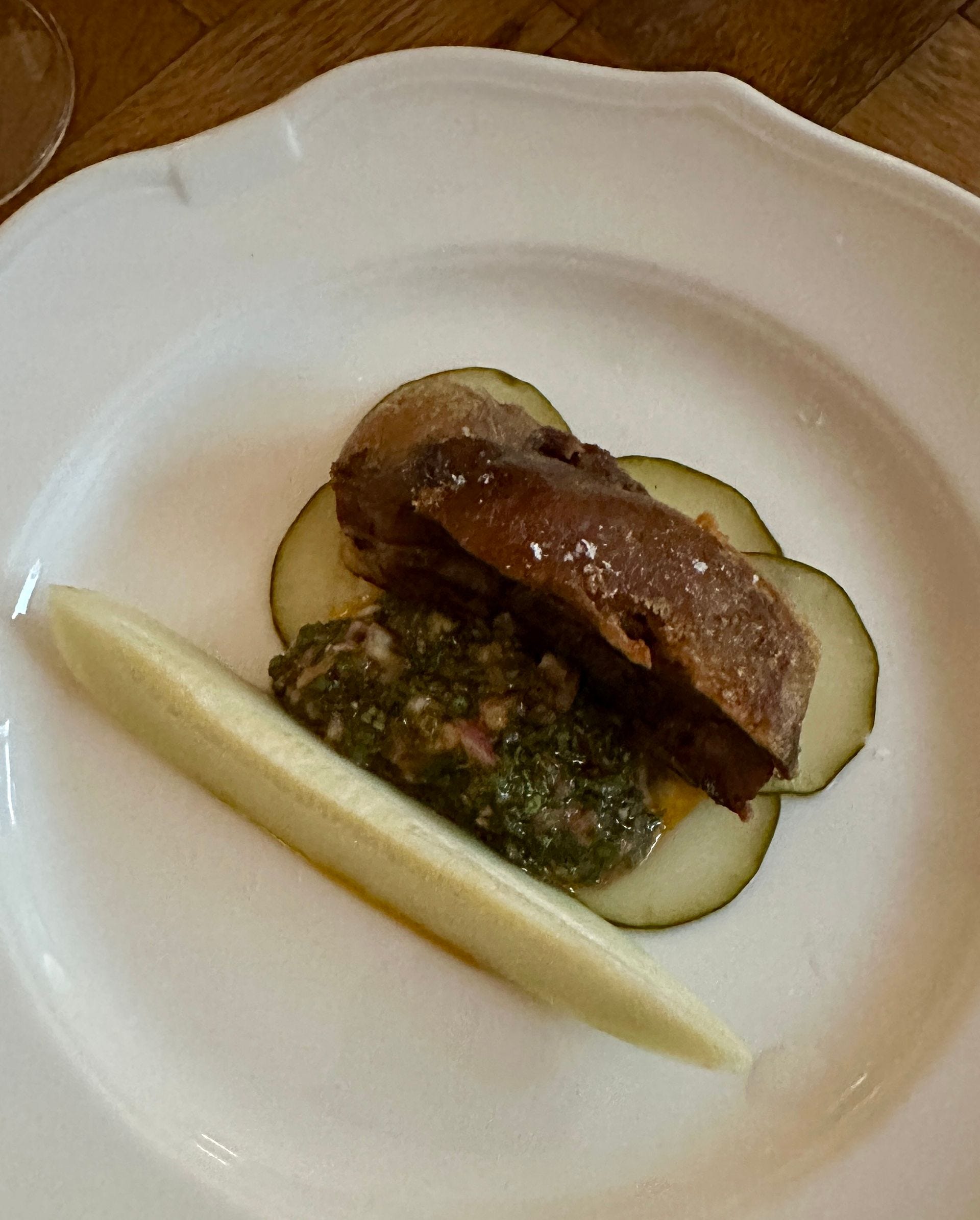
Biting into a pressed pork head on the rue Henry-Monnier, I found my answer. My knife cracked through the crispy skin into a shredded layer of meat. After adding a slice of pickle to my fork, I dragged the combination through the sauce bois boudran, an herbaceous condiment usually made with vinegar and Worcestershire, not dissimilar to the seasoning of a tartare. The interplay of acid and umami, the crispy pork skin, the zingy pickle, the shallots, the herbs, they all came together to form a gobsmacking symphony.
That was my first bite at Magnolia and my favorite bite of the year, not only because it was delicious, but because it reminded me—despite the new wave of New York-style pizza joints, lobster roll shops, and matcha bars—that this city still has something unique to offer.
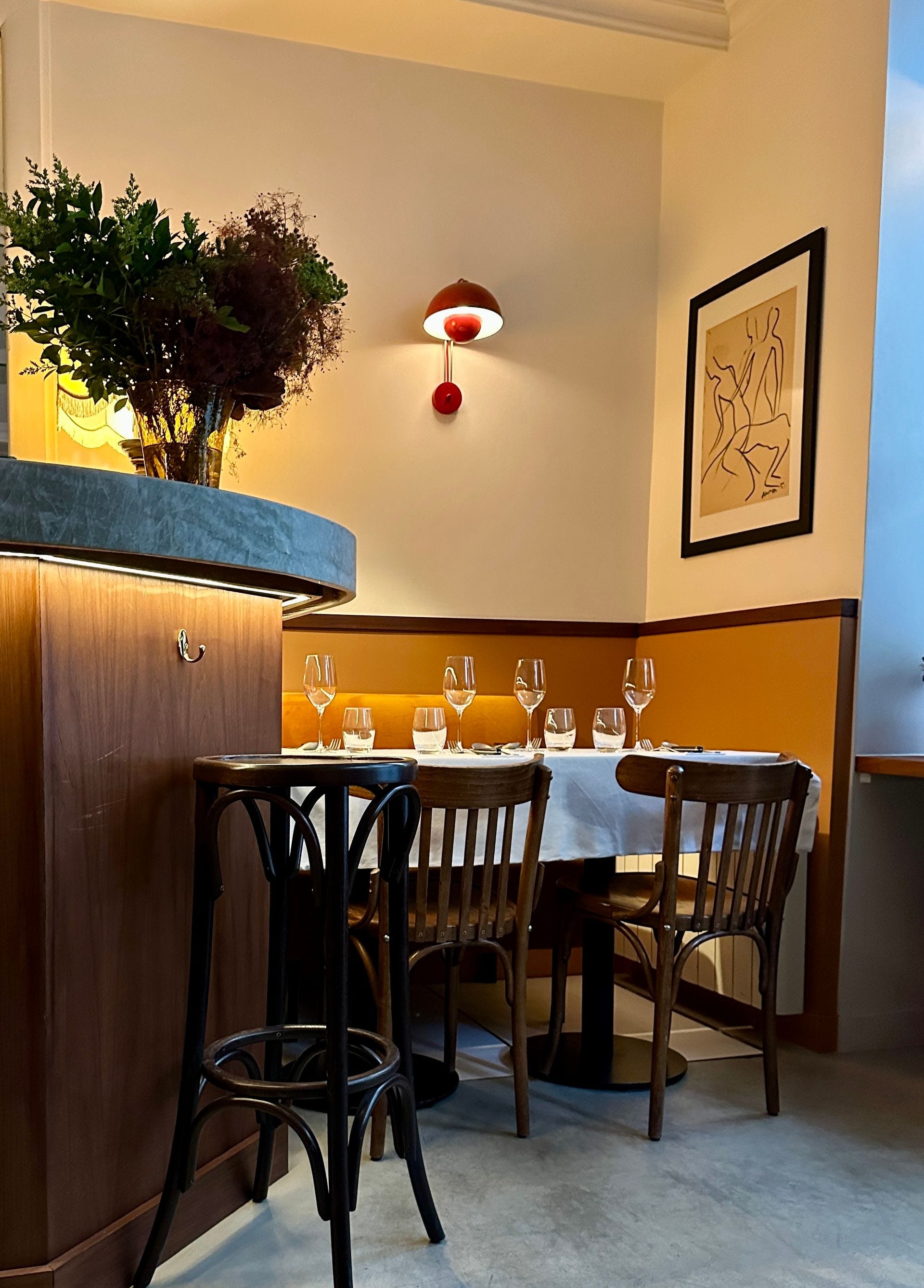
In reality, it isn’t necessary to fly to Paris for escargot or steak au poivre. You can find those dishes at French-themed restaurants around the world. Magnolia isn’t French-themed, though; it’s French. They aren’t interested in the played-out classics; they’re interested in giving locals a new perspective, and tourists a reason to book a flight.
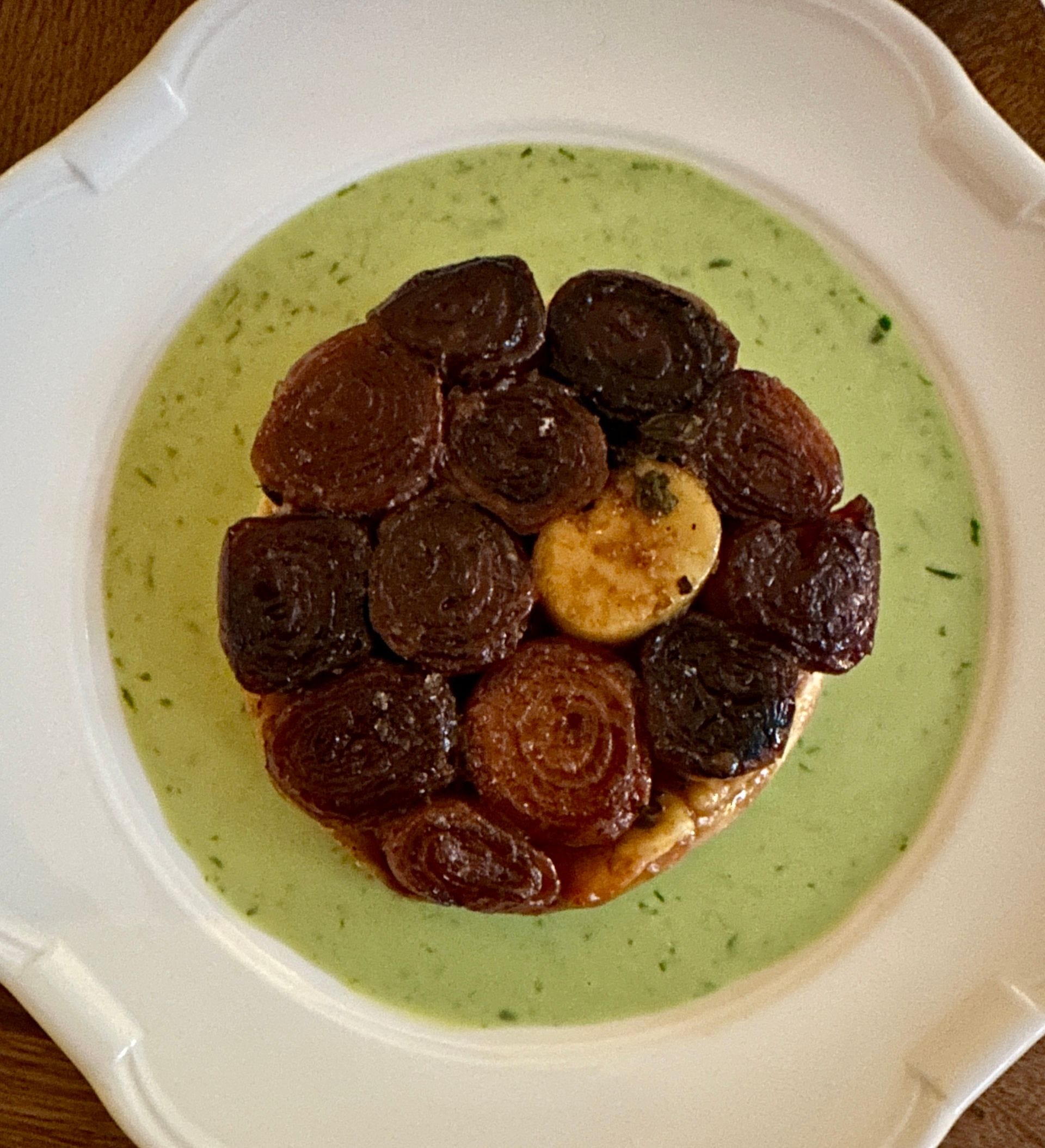
Take a tarte tatin, for example. The typical version with apple and caramel, while tasty, excites no one. Make it a shallot tarte tatin instead, with reblochon, bone marrow, and bear’s leek sauce, and suddenly everyone’s talking.
If modern “bistronomy” is the defining culinary movement in Paris today, then Magnolia is its Platonic ideal. How wonderful it is to enjoy Michelin-caliber cooking without the deranged pricing and oppressive service that often accompany it.
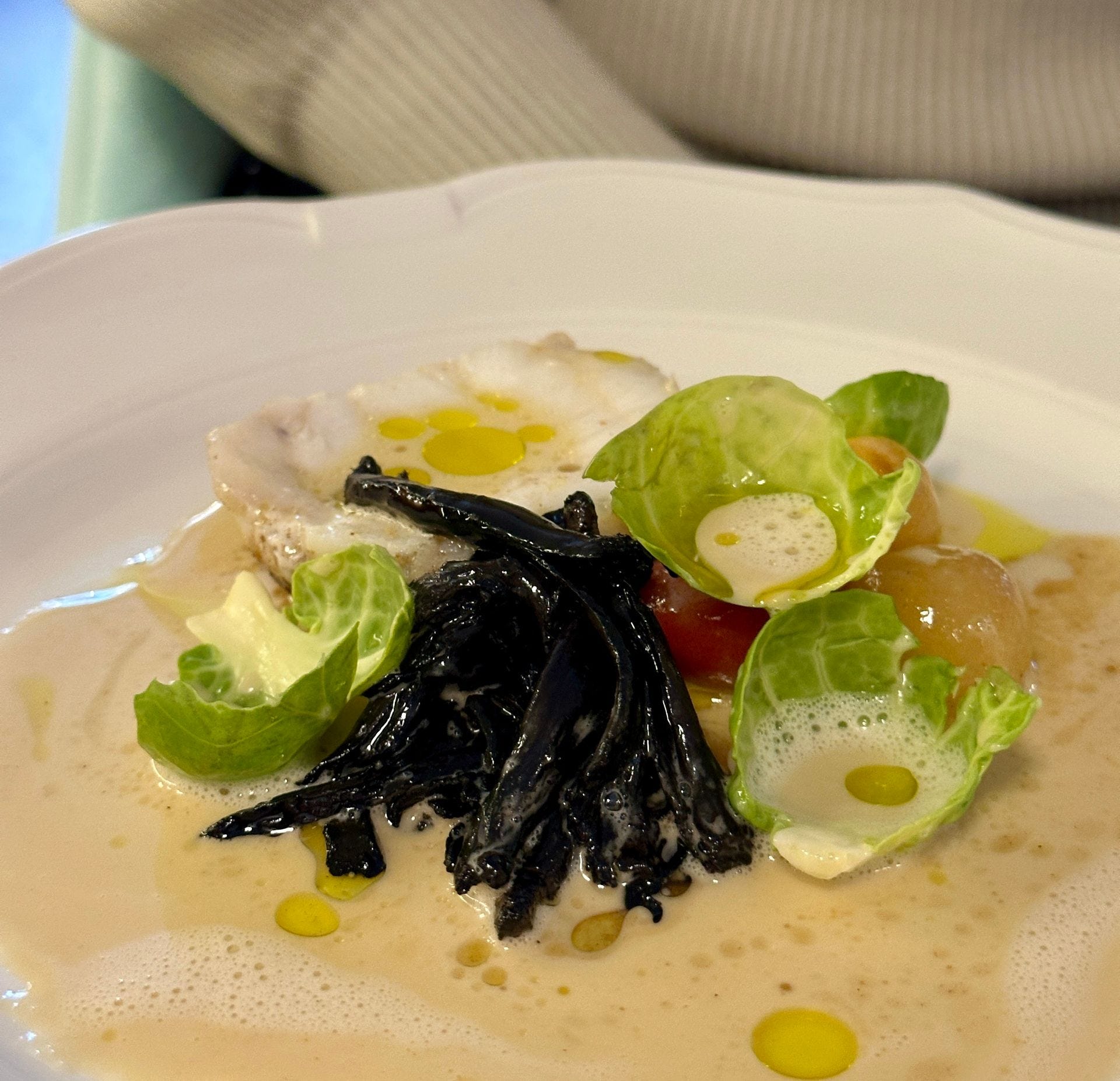
A waiter—while serving me monkfish with black trumpet mushrooms, rutabaga, and smoked butter sauce—spared me the long-winded Michelin spiel on the chef’s inspirations, opting instead for a simple smile. The dish didn’t need a backstory; it spoke for itself, and it said “hallelujah!”
Nearly every dish, over the course of four separate visits, surprised me with its completeness.
I had never expected a chicken neck, for example, stuffed with poultry mousseline, foie gras, and mushrooms, to taste so balanced and bright; or for a scallop, with boudin noir and apple, to taste so earthy and spiced. The veiled magician heading the kitchen was playing these French ingredients like Miles Davis played the trumpet.
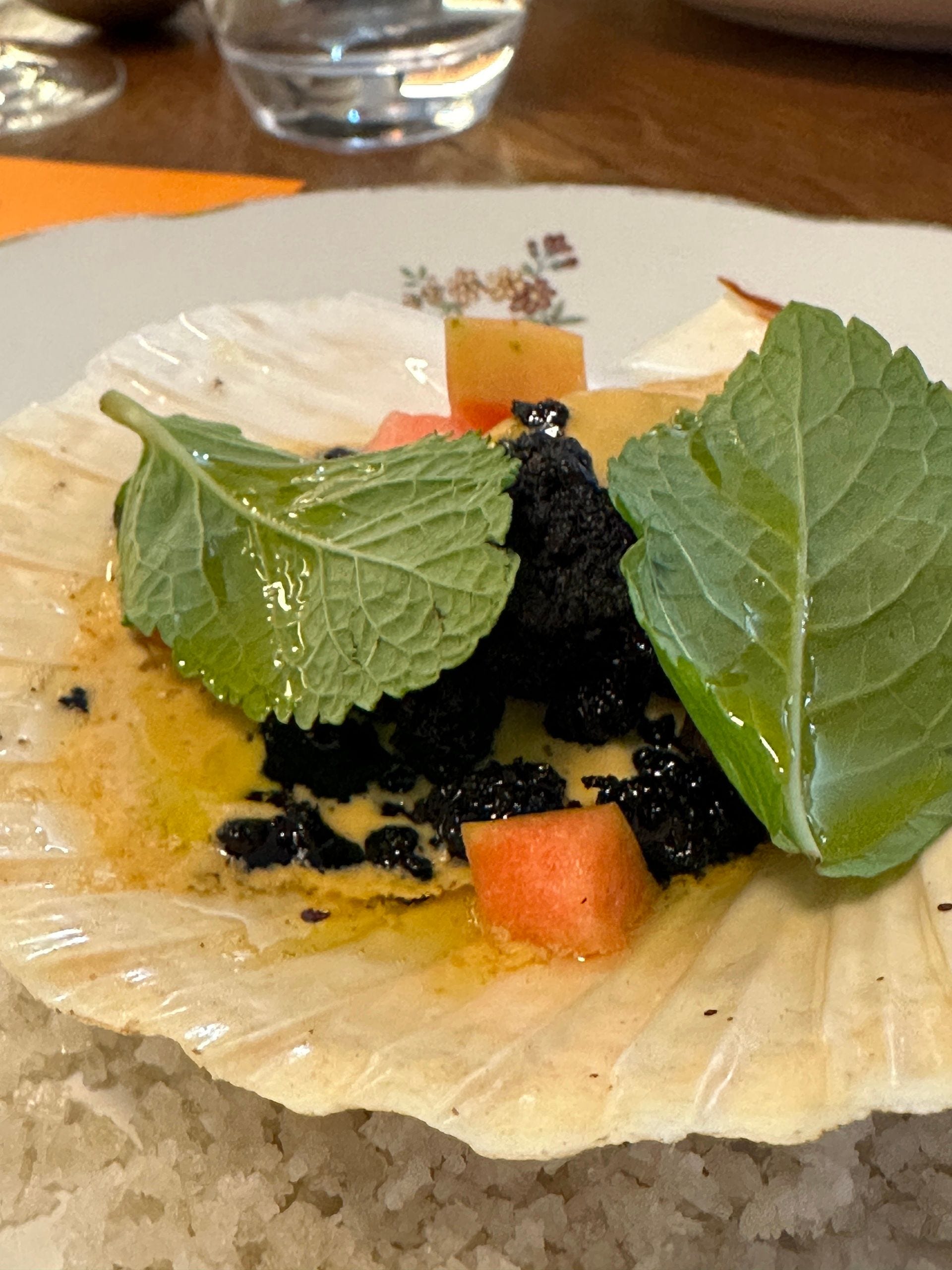
You can then imagine my shock when I learned that the man concocting this nouvelle French cuisine was not a young chef from Lyon or Brittany, but an American from Kentucky named Noah Howell. Wow. I finally understood how Anton Ego felt when he learned that Remy was a rat.
I felt embarrassed to have lamented the effects of globalism on Parisian culture, to have complained about coffee bars and slice shops. In the end, the same forces that brought lobster rolls to the rue des Martyrs also brought Mr. Howell and his revelatory cuisine to Magnolia. And if I can’t have one without the other, then I’ll happily take both.
I’ll see you all next week. Until then, you can read past editions here.
Wishing you a Happy New Year,
Max
Homer Lobster is a total rip off and basically a facsimile of the real thing. Nonetheless, I will definitely be trying Magnolia on our next trip to Paris. Love your writing. It's as if I am savoring the dishes right alongside.
Highly recommend checking out OYA in the 17th. One of my favorites when I visited.